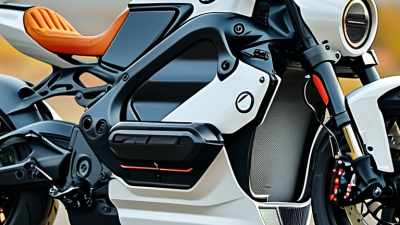
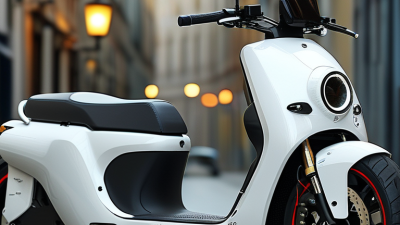
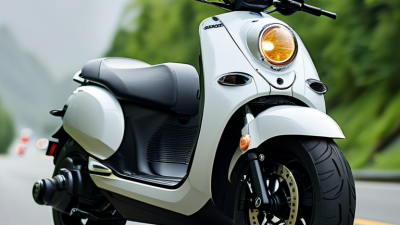
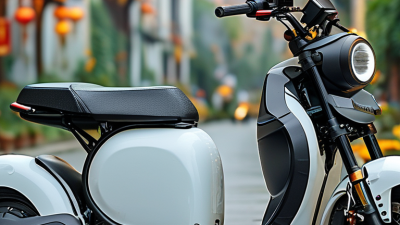
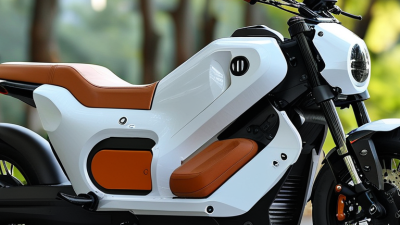
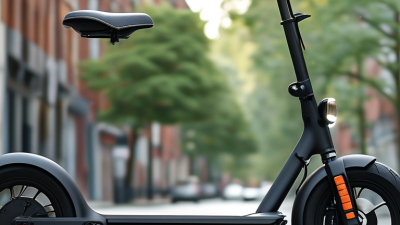
As city logistics keep changing and growing, there's a real buzz around finding smarter, more efficient ways to get stuff delivered. I recently saw a report from MarketsandMarkets that says the worldwide last-mile delivery scene is expected to hit about $100 billion by 2025—that's massive! And in this mix, Cargo Scooters are really catching people's attention, especially for businesses trying to boost their delivery game while cutting down on costs. These little bikes aren’t just super agile—they’re also eco-friendly, mostly running on electric power, which helps keep those carbon footprints in check.
That said, picking out the perfect Cargo Scooter isn’t exactly a walk in the park, especially if you're doing it from halfway across the globe. Things like how much weight it can carry, battery life, and what it looks like all matter a lot. Brands like Vespa and Honda are definitely the big players here, offering a bunch of models suited for different business needs. But, heads up—regulations can vary a lot depending on where you are. Some places might have stricter licensing rules, so it’s worth doing your homework to make sure you’re on the right side of the law.
With some solid info, you can actually make smarter choices about what to buy. Sure, the market’s flooded with options, but not all Cargo Scooters are up to the same standard—so it’s really important to take your time and evaluate each one carefully. In this article, I’ll walk you through the top Cargo Scooter picks for 2026, aiming to arm you with the knowledge you need to make it through this competitive scene and come out ahead.
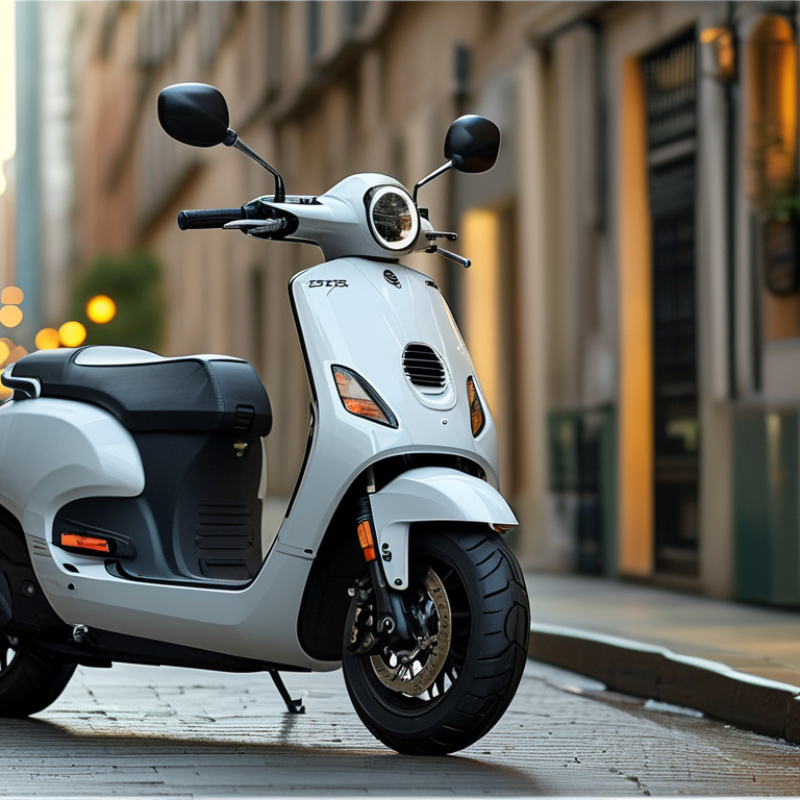
Overview of Cargo Scooters and Their Benefits
Cargo scooters have gained popularity for their efficiency in urban logistics. These vehicles offer a practical solution for businesses needing cost-effective transportation. According to a 2022 industry report, cargo scooters reduce delivery times by up to 30% in congested city areas. Their compact size allows better maneuverability, making them ideal for tight spaces.
The benefits extend beyond just speed. Cargo Ev Scooters are an eco-friendly alternative to traditional delivery vans. A study by the International Council on Clean Transportation found that electric delivery scooters can reduce greenhouse gas emissions by 60% compared to gasoline-powered vehicles. This aligns with the increasing demand for sustainable practices in logistics. However, it’s important to address the limitations. The payload capacity of cargo scooters can vary significantly, necessitating careful selection for different business needs.
Additionally, not all regions have supportive infrastructure for cargo scooters. While some cities promote their use with designated lanes, others are less accommodating. The challenge lies in balancing efficiency with safety and regulatory compliance. Therefore, potential buyers should evaluate local policies and infrastructure. As the demand for last-mile delivery services grows, cargo scooters will play a crucial role in shaping future logistics.
Key Features to Look for in a Cargo Scooter
When choosing a cargo scooter, buyers should focus on several key features. The payload capacity is crucial. Many cargo scooters can support weights between 200 to 400 kilograms. This capability often dictates the kind of goods you can transport. Small businesses need to consider whether the scooter fits their delivery needs. Real-time data indicates that businesses using adequate cargo scooters report a 20% increase in efficiency.
Battery life is another vital aspect. On average, a quality Electric Scooter Cargo should last between 30 to 60 miles on a single charge. However, many factors affect this, like terrain and load weight. Buyers should look for models that offer quick charging options. In some reports, scooters needing over eight hours for a full charge are flagged as less desirable. Speed is equally important. A good cargo scooter should reach speeds of 25 to 30 mph, balancing safety and delivery time.
Safety features cannot be overlooked. Look for scooters with strong braking systems and enhanced visibility options. Some models include integrated lighting and reflective elements. These contribute to safer road use, especially in urban areas. Ignoring such features can lead to accidents. Buyers should reflect on common safety risks in their region, ensuring their chosen scooter meets local regulations.
Top Cargo Scooter Brands for Global Buyers
When choosing cargo scooters, buyers face numerous options. Top cargo scooter brands globally often emphasize versatility and reliability. Many models feature strong frames and ample storage. This makes transportation easier for small businesses and deliveries.
Some brands focus on innovative designs. They incorporate electric engines, promoting sustainability. However, buyers should also consider battery range and charging times. Not all brands deliver the same performance, making extensive research essential. The right choice can vary greatly depending on individual needs.
User reviews are valuable. They provide insights into real-world performance and durability. Some scooters may excel in urban settings but struggle off-road. Exploring various models helps buyers find the best fit for their conditions. It’s not just about brand prestige; it involves understanding how well a scooter serves its purpose.
2026 Best Cargo Scooter Options for Global Buyers
| Category |
Max Load Capacity (kg) |
Range (km) |
Top Speed (km/h) |
Price (USD) |
| Standard Cargo Scooter |
250 |
80 |
45 |
3,500 |
| Heavy-Duty Cargo Scooter |
400 |
60 |
50 |
5,200 |
| Electric Cargo Scooter |
200 |
100 |
40 |
4,000 |
| Compact Cargo Scooter |
150 |
70 |
35 |
2,800 |
| Luxury Cargo Scooter |
300 |
90 |
60 |
6,500 |
Comparison of Electric vs. Gas Cargo Scooters
When considering cargo scooters, buyers often face a crucial choice: electric or gas. The demand for eco-friendly transportation is rising. According to a 2023 industry report, electric scooters can lower emissions by up to 50% compared to gas models. This statistic highlights the growing importance of sustainability.
Electric cargo scooters typically require lower maintenance. They are quieter and provide immediate torque. With advancements in battery technology, many models now offer ranges exceeding 70 miles on a single charge. However, charging infrastructure still poses challenges in many areas. Buyers must evaluate local access to charging stations.
Conversely, gas scooters are often seen as more powerful and have a longer range on a single tank. In regions with limited electric infrastructure, gas models remain practical. Yet, they come with higher emissions and ongoing fuel costs. According to recent surveys, 60% of users prefer electric for urban commutes. However, the upfront cost of electric models can deter some buyers. The choice ultimately depends on specific needs and local conditions.
Best Cargo Scooters for Urban Delivery Services
When considering the best cargo scooters for urban delivery, Moped Cargo models shine brightly. These scooters offer a balance of efficiency and maneuverability, crucial for navigating busy city streets. With a compact design, they can easily weave through traffic, saving time during deliveries. Many feature spacious cargo areas, allowing for the transport of various goods, from food to packages.
Urban delivery services often face challenges, such as limited parking and congested roads. Moped cargo scooters mitigate these issues with their lightweight frames. Deliveries can be completed swiftly, even during peak hours. However, riders must ensure they are aware of local regulations regarding moped cargo use. Navigating these rules can be daunting but is necessary for compliance and operational success.
While moped cargo options have clear benefits, potential downsides exist. Limited speed and cargo capacity can pose challenges. Riders may find themselves wishing for more power under heavy loads. It's crucial to assess the requirements before choosing a model. Despite these considerations, the advantages often outweigh the limitations, making them a smart choice for urban delivery needs.
Safety Considerations for Using Cargo Scooters
When considering the safety of cargo scooters, numerous factors come into play. According to a report by the National Highway Traffic Safety Administration, two-wheeled vehicles continue to see higher accident rates. This statistic underscores the importance of safe riding practices. Proper training is essential. Riders must understand their vehicle's limitations. A
Cargo Moped
can carry heavy loads, but its handling differs from a standard scooter.
Visibility is another critical consideration. Unlike cars, cargo mopeds have a smaller profile. In urban environments, this can lead to blind spots. Wearing high-visibility gear can help mitigate this risk. Additionally, installing reflective stickers on the scooter enhances visibility at night. A study from the Motorcycle Safety Foundation indicated that well-equipped riders are less likely to be involved in crashes.
Riders should routinely check their equipment. Maintenance is vital for safety. Tires, brakes, and lights must function correctly to prevent accidents. Many users neglect this aspect, thinking their vehicle is fine. However, a simple tire inspection can mean the difference between a safe ride and a potential crash. Beyond maintenance, preparing for adverse weather is essential. Rain and snow can dramatically affect traction and stopping distances on a cargo moped. Riders should adjust their speed accordingly and allow extra time for braking.
Cost Analysis: Investing in a Cargo Scooter for Business
Investing in a cargo scooter for your business can be a significant decision. You must evaluate both costs and benefits. The initial purchase price is just the beginning. Consider maintenance costs, fuel efficiency, and potential upgrades over time. Failing to account for these can impact your overall budget.
Tips: Look at the total cost of ownership. Calculate how much you will spend annually, not just on the vehicle but on upkeep and operation. Compare different models and their specifications. A vehicle might have a lower initial price but could cost more in repairs.
Consider your market. A cargo scooter is ideal for urban environments with heavy traffic. Yet, assess the pros and cons. A smaller vehicle may limit cargo capacity. Conversely, larger models may lead to higher fuel costs. Think about your specific needs and operating conditions when making a choice.
Tips: Create a list of your requirements based on delivery volume and terrain. Be realistic about your operational needs. Research local regulations regarding cargo scooters. Make sure your choice complies. Taking these details into account will guide you toward a smarter investment.
FAQS
: Look for versatility, reliability, and strong frame designs. Ample storage is essential for small businesses.
They promote sustainability but require careful consideration of battery range and charging times.
User reviews provide insights on performance and durability. They reveal how scooters perform in real conditions.
They are efficient and maneuverable, easily navigating through traffic and limited parking spaces.
They deal with congested roads and limited parking. Cargo scooters help mitigate these issues.
Yes, two-wheeled vehicles have higher accident rates. Safe riding practices and proper training are crucial.
Wearing high-visibility gear and using reflective stickers on the scooter help reduce blind spots at night.
Regularly check tires, brakes, and lights to ensure safe operation and prevent accidents.
Adverse weather can impact traction and stopping distances, requiring adjustments in speed and braking.
They may have limited speed and cargo capacity, which can be challenging under heavy loads.
Conclusion
Cargo scooters have emerged as a practical solution for businesses seeking efficient delivery options. Their design allows for substantial cargo capacity while maintaining maneuverability in urban environments. Key features to consider when selecting a cargo scooter include loading space, battery life for electric models, and overall durability.
When evaluating cargo scooters, it is essential to weigh the benefits of electric versus gas options, particularly in terms of operational costs and environmental impact. For urban delivery services, cargo scooters can significantly enhance logistics and efficiency. However, safety considerations must always be prioritized, ensuring that operators are trained and that vehicles are equipped with appropriate safety features. Ultimately, investing in a cargo scooter can be a cost-effective decision for businesses aiming to streamline their delivery processes.