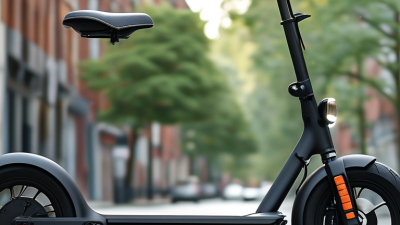
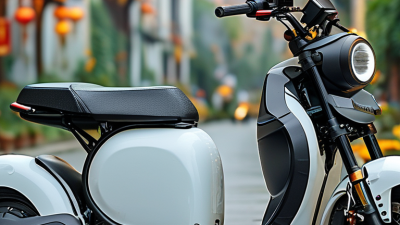
Electric motorcycles have really been catching people's attention lately, mainly because they're eco-friendly and come with some pretty cool tech innovations. Unlike your regular bikes that run on gas, these run purely on electricity. That’s a huge shift, and honestly, it’s great for the environment too—it cuts down on emissions—and it can even save riders some cash in the long run. Big names like Zero Motorcycles and Harley-Davidson have rolled out some pretty impressive models, showing just how promising electric bikes really are.
Now, how do these electric bikes actually work? It’s pretty straightforward, but still super interesting. Basically, there’s a battery that stores energy, which then powers an electric motor to get you moving. The ride's often smoother, with silent acceleration, which is pretty neat. But, of course, it’s not all smooth sailing—there are some hurdles like charging stations and worries about how far you can go before needing a recharge. Even though the tech is improving rapidly, people still have questions about battery life and whether repairs are easy or not. As more folks start checking out this new way to ride, it’s an exciting time to explore what electric motorcycles have to offer.
All in all, the electric motorcycle scene is changing fast. A lot of riders are still a bit hesitant about switching from gas-powered bikes. So, it’s really important to understand both what’s awesome about these bikes and what still needs work. With ongoing innovations, things look pretty bright for the future of e-motorcycles. Still, we’ll need some patience and a bit of reflection to see them truly reach their potential.
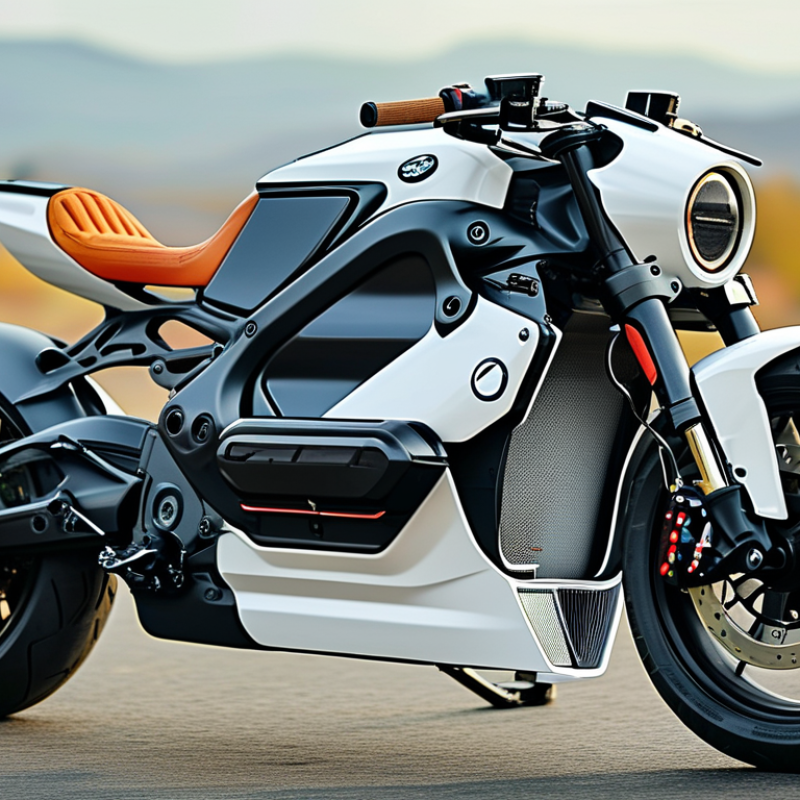
What Defines an Electric Motorcycle?
Electric motorcycles are revolutionizing the way we think about transportation. What defines an electric motorcycle is its power source, which relies solely on electric energy instead of gasoline. According to the International Energy Agency, electric motorcycles accounted for approximately 14% of total motorcycle sales in 2022. This number is expected to rise significantly as more riders seek sustainable options.
When considering an electric motorcycle, one must pay attention to essential features like battery capacity and range. A typical electric motorcycle can travel between 60 to 150 miles on a single charge. Understanding these metrics helps potential owners make informed choices. Performance can vary significantly, and buyers should evaluate their riding habits. Not every model suits every rider, and individual needs play a critical role.
For those exploring options, here are some tips: always check the charging infrastructure in your area before purchasing. Many regions lack adequate chargers, which can lead to inconveniences. Also, it's wise to consider maintenance costs, as they can differ from traditional bikes. Electric Adult riders often appreciate the lower maintenance associated with electric systems, but initial investment remains a key factor to ponder.
Key Components of an Electric Motorcycle
Electric motorcycles have gained popularity due to their eco-friendliness and efficiency. The key components of these vehicles play a significant role in how they operate. Central to the electric motorcycle is the electric motor. It provides power and drives the wheels. Different types of motors can be used, each offering varied performance characteristics.
Another crucial element is the battery. It stores energy and is typically made from lithium-ion technology. These batteries are rechargeable and can last for a long time, depending on usage and care. Regular maintenance of the battery is crucial to prolong its lifespan. Poor care can lead to diminished performance.
In addition to the motor and battery, the controller manages power flow. It acts like the brain of the motorcycle, ensuring smooth acceleration and deceleration. Riders should familiarize themselves with this component for safety and efficiency.
Tip: Always check battery health before long rides. Consider investing in a portable charger. This ensures you're prepared during longer trips. Remember, Adult Electric motorcycles require regular upkeep for optimal performance. Neglecting maintenance could result in unnecessary repairs.
What is an Electric Motorcycle and How Does It Work? - Key Components of an Electric Motorcycle
| Component |
Function |
Material |
| Electric Motor |
Drives the motorcycle by converting electrical energy into mechanical energy |
Copper, Steel |
| Battery Pack |
Stores electrical energy to power the electric motor |
Lithium-ion |
| Controller |
Manages battery power and motor operation |
Semiconductors, PCB |
| Frame |
Supports structure and components of the motorcycle |
Aluminum, Steel |
| Charging Port |
Connection point for recharging the battery |
Plastic, Metal |
| Regenerative Braking System |
Recovers energy during braking and feeds it back to the battery |
Electromechanical components |
How Electric Motorcycles Generate Power
Electric motorcycles represent a significant shift in motorcycle technology. They utilize electric power instead of traditional gasoline engines, which impacts performance and efficiency. Understanding how these machines generate power is essential for riders and enthusiasts alike.
At the core, electric motorcycles use electric motors driven by batteries. These batteries store energy, which is converted into motion. When the rider twists the throttle, the motor draws power from the battery. This process is efficient, often allowing for immediate torque and quick acceleration. Regenerative braking also plays a role; it captures energy during deceleration and channels it back to the battery. This can extend the range of the motorcycle, but riders might find the complexity of the energy management system challenging.
Despite their benefits, electric motorcycles come with limitations. Charging infrastructure is still developing in many areas. Riders may face anxiety over battery range. Not all models offer the same performance, which can lead to varied riding experiences. It's crucial for potential buyers to research thoroughly. Overall, while the technology is promising, some aspects still require adjustment and improvement.
Understanding the Battery Systems in Electric Motorcycles
Electric motorcycles are growing in popularity due to their environmental benefits and innovative technology. At the heart of these vehicles lies the battery system, a crucial component that defines their performance and range. Understanding how these batteries work is essential for both riders and enthusiasts.
Most electric motorcycles utilize lithium-ion batteries. These batteries are lightweight and have a high energy density. They can store large amounts of power while minimizing weight. However, they also come with drawbacks. Charging can take time, and battery life can deteriorate with improper use. Maintaining optimal charging habits is essential for longevity.
Battery management systems (BMS) control the charging and discharging of these batteries, ensuring safe operation. A BMS monitors temperature, voltage, and current to prevent overcharging or overheating. Yet, achieving the perfect balance between power and efficiency can be challenging. Riders may find themselves needing to adjust their riding style to maximize battery life. This requires a thoughtful approach to travel and planning ahead.
The Role of Electric Motors in Motorcycle Performance
Electric motorcycles are becoming increasingly popular. They rely heavily on electric motors for performance. These motors convert electrical energy into mechanical power, which propels the bike forward. Unlike traditional motorcycles, they provide instant torque. This leads to quicker acceleration and a smoother ride.
The efficiency of electric motors plays a significant role in motorcycle performance. A well-designed electric motor can deliver high power while maintaining energy efficiency. This means riders can enjoy longer trips with fewer charging stops. However, not all electric motors are created equal. Some may struggle with heat management or responsiveness. Riders should research motor specifications to ensure they meet their needs.
Tips: When choosing an electric motorcycle, consider the motor's wattage. Higher wattage often means better performance. It's also wise to look at battery capacity. A larger battery can allow for longer rides without charging. Don't overlook the importance of testing the bike in real conditions. An Electric Scooty might look great on paper but can feel different in real-world usage. Evaluate the bike under various situations to understand its true performance and limitations.
Charging and Maintenance of Electric Motorcycles
Charging and maintaining electric motorcycles can seem daunting at first. However, understanding the process can ease any concerns. Most electric motorcycles use lithium-ion batteries. These batteries typically need 6 to 8 hours to fully charge. When plugged into a standard outlet, they can reach 80% capacity in just a few hours, allowing for quick turnarounds.
It's critical to monitor battery health regularly. The lifespan of lithium-ion batteries often ranges from 1,000 to 3,000 charge cycles. This means you should be mindful of your charging routines. Overcharging or allowing the battery to deplete excessively can shorten its lifespan. A professional study reveals that maintaining a charge level between 20% and 80% can significantly extend battery life.
Tips: Always avoid extreme temperatures. Heat and cold can damage battery performance. For optimal care, schedule regular maintenance checks.
Electric Mopeds also require proper maintenance. Clean the bike regularly to prevent dirt buildup on electrical components. Regularly inspect tire pressure and brakes to ensure safety and efficiency. Keep in mind that while electric motorcycles are generally low maintenance, neglecting minor issues can lead to bigger problems over time.
Comparing Electric Motorcycles with Traditional Gas Motorcycles
Electric motorcycles are gaining ground in the automotive sector, particularly when compared to traditional gas motorcycles. The global electric motorcycle market is projected to reach $23.2 billion by 2027, as more riders embrace this emerging technology. Notably, electric models emit zero tailpipe emissions, presenting a compelling case for eco-conscious riders.
In terms of performance, electric motorcycles typically offer instant torque, leading to quicker acceleration compared to gas-powered counterparts. According to a study by the Motorcycle Industry Council, 55% of riders are motivated by the prospect of lower operating costs. Electric models often require less maintenance, with fewer moving parts than traditional motorcycles. However, battery life and charging infrastructure remain issues. Many riders express concerns about range anxiety, particularly for long trips, highlighting the need for a more robust charging network.
Cost factors also play a significant role in the decision. While electric motorcycles can have higher upfront costs, they often save money in the long run. For instance, the average cost of electricity per mile is significantly lower than gasoline, which can be over $3 a gallon. Riders must weigh these factors and consider personal riding habits and local infrastructure when deciding between electric and gas models. The evolution of this market will depend on addressing these challenges effectively.
Electric Motorcycles vs. Traditional Gas Motorcycles: Energy Consumption
This chart compares the energy consumption of electric motorcycles and traditional gas motorcycles. Electric motorcycles consume significantly less energy, making them a more efficient option for environmentally-conscious riders.
FAQS
: Electric motorcycles rely solely on electric energy. They do not use gasoline.
They can travel between 60 to 150 miles, depending on the model and battery capacity.
Adequate charging options can prevent inconveniences. Many areas still lack sufficient chargers.
They use electric motors driven by batteries. The process is efficient and provides quick acceleration.
It captures energy during deceleration and returns it to the battery. This helps extend the motorcycle's range.
Generally, they have lower maintenance needs than gasoline bikes. However, initial investment costs can be high.
It's essential to research battery range, performance, and local charging options. Not all models fit every rider.
Yes, performance can vary widely. Some models may not meet all riding needs.
While the technology is promising, certain aspects still require improvement and adjustment.
Yes, battery range anxiety is common among riders. It's important to understand the capabilities of each model.
Conclusion
An electric motorcycle is a two-wheeled vehicle powered by electric motors instead of traditional internal combustion engines. It is defined by its key components, such as the electric motor, battery system, and regenerative braking system, which work harmoniously to provide efficient performance. The electric motor plays a crucial role in delivering power and torque, while advanced battery systems allow for longer ranges and quick charging times.
Electric motorcycles generate power through a combination of stored energy in batteries and the instant torque provided by electric motors, offering a different riding experience compared to gas-powered motorcycles. Maintenance is typically simpler, given fewer moving parts. Additionally, comparisons with traditional gas motorcycles highlight the environmental benefits and lower operating costs of electric motorcycles, positioning them as a viable alternative for modern riders seeking eco-friendly options.